Core safety habits for riding in Thailand — ride within your ability, go slow, wear a helmet, and understand local road culture. Practical basics, not legal advice.
By Krabi Moto Rentals6 min read read
Fact-check: reviewed
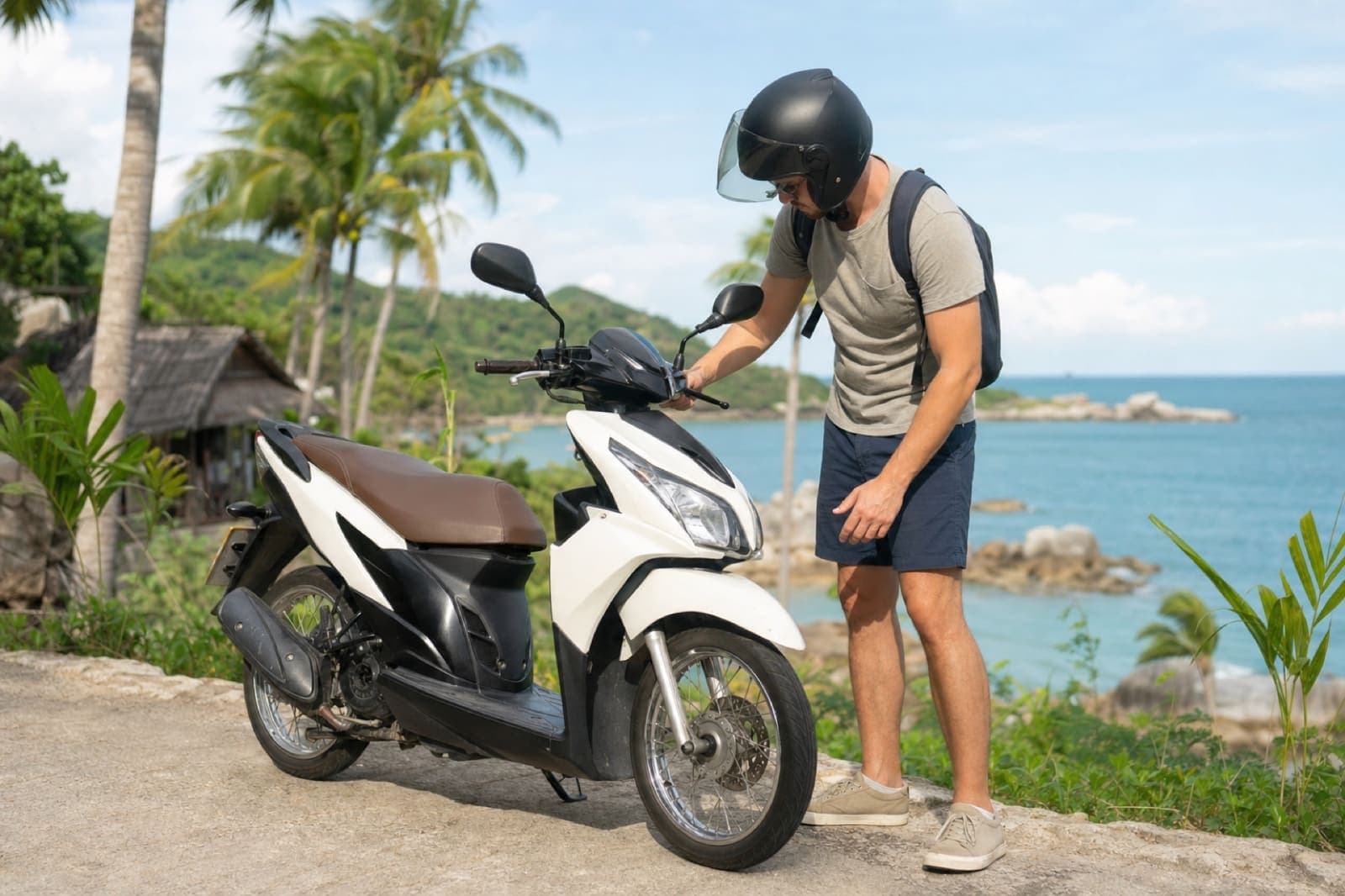
Thailand is a rewarding place to ride — if you keep things simple. These essentials are about one idea: **do not ride beyond your ability**, and **err on the side of caution** every time you turn the key. This is a short basics guide for tourists on scooters and light motorbikes, not a full riding course.
Helmet
Always on, properly fastened
Speed
Slow enough to react — especially at night
Bike size
Choose one you can flat-foot and control easily
Substances
No riding if drunk, medicated or impaired
Fatigue
Stop if you are very tired
Surfaces
Extra slow in rain, sand or gravel
Seven rules worth memorising
1
Ride a bike that fits you
If you cannot reach the ground comfortably or the bike feels heavy at walking speed, it is too big. A smaller automatic scooter you control beats a larger bike you struggle with.
2
Go slow
Moderate speed gives you time to see hazards and keeps outcomes less serious if something goes wrong. There is no prize for arriving a few minutes earlier.
3
Never ride impaired
Do not ride if you have been drinking or are under the influence of any substance that affects judgment or reaction time.
4
Do not ride when exhausted
Heat, jet lag and long travel days add up. If you are falling asleep on your feet, postpone the ride.
5
Slow down in rain, sand and gravel
Grip changes quickly on wet paint, sandy shoulders and loose gravel. Brake early, steer gently and add following distance.
6
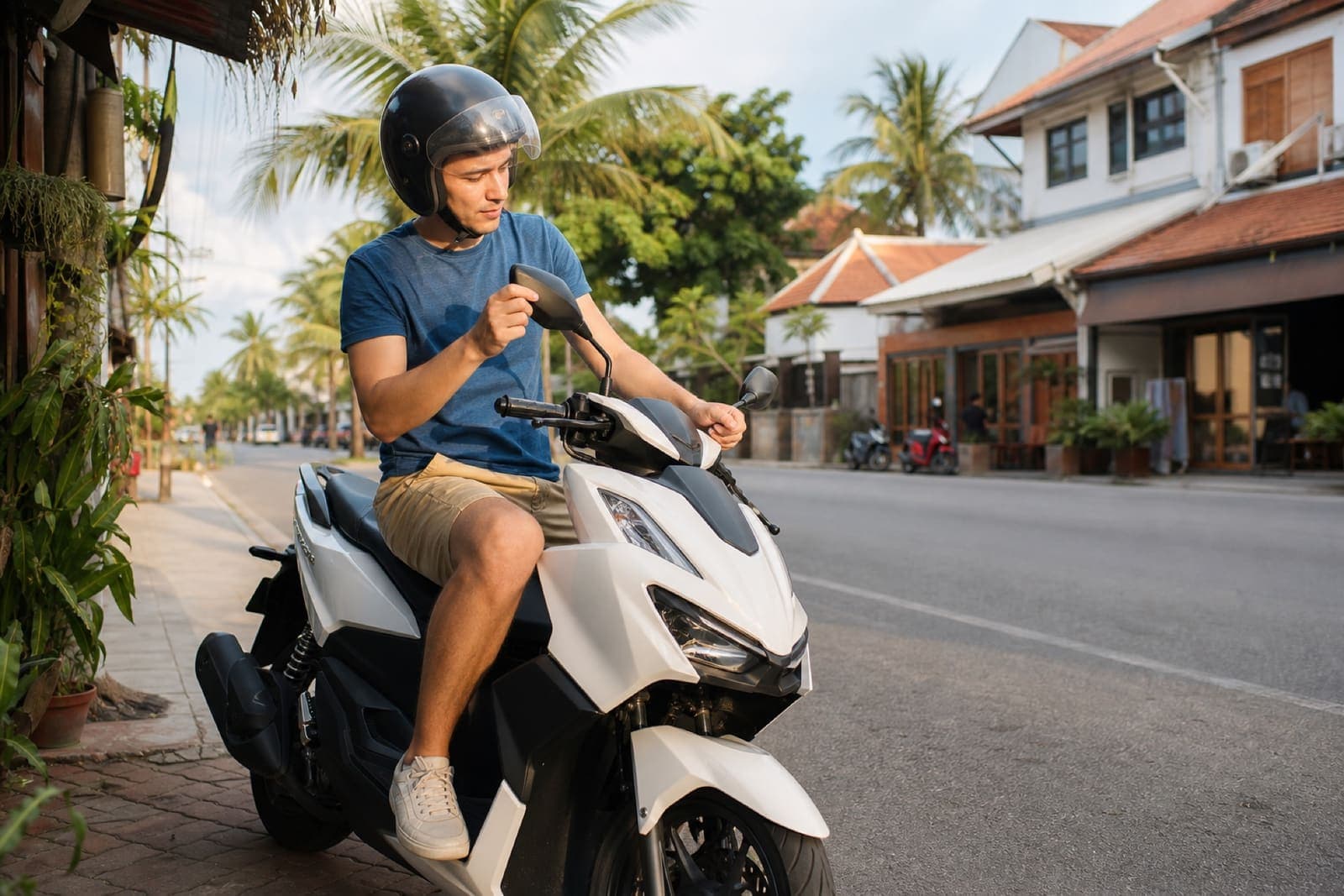
Always wear your helmet
Every trip, every passenger. If the rental helmet does not fit, ask for another size before you leave.
7
Extra slow at night
Dark roads hide potholes, unlit vehicles and animals. The quieter and darker the road, the slower you should go.
Traffic and calm riding
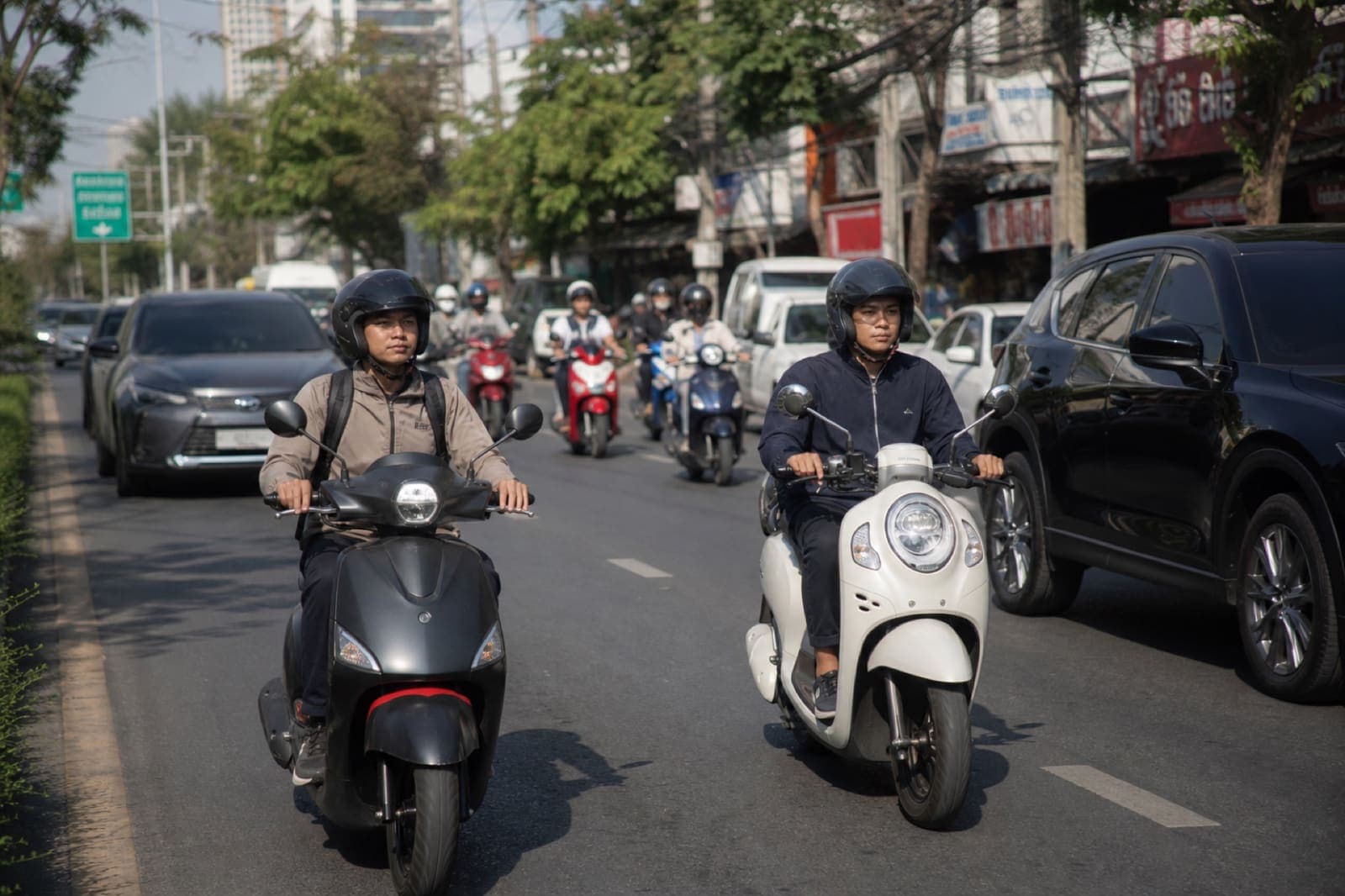
Thailand drives on the **left**. You will share the road with scooters, cars, pickups and tour buses. You do not need to keep up with the fastest rider in the group — stay in your comfort zone, leave space and scan mirrors often.
Ride at a pace that matches your skill — calm traffic flow, not racing the pack.
Night and rural roads
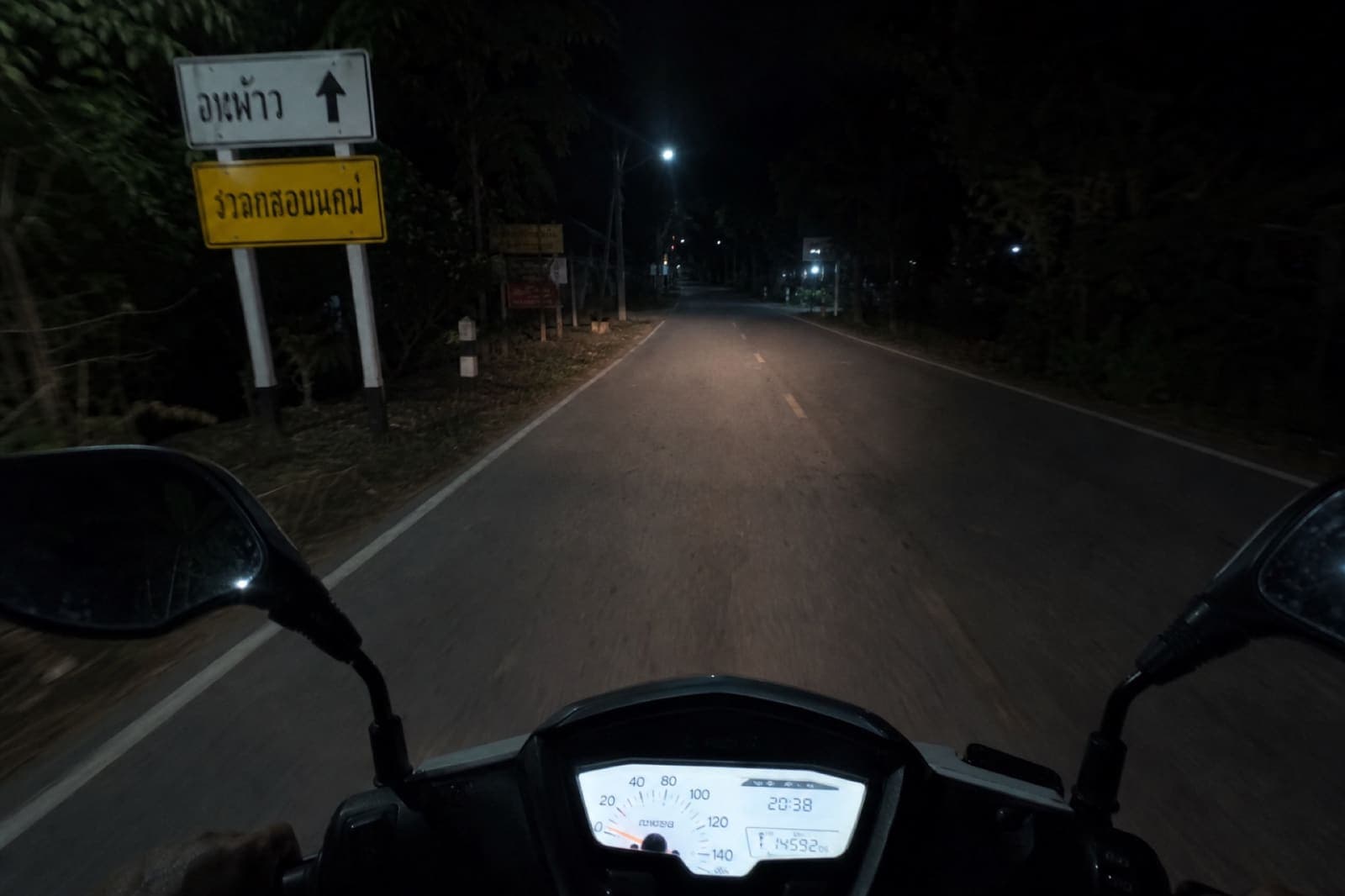
The further you get from town, the darker and quieter the roads become. That is when **wildlife and domestic animals** are most likely to appear — monitor lizards, chickens, cats and dogs can step into your lane without warning.
Rural night riding: use your headlight, drop your speed and scan both shoulders of the road.
Face-saving and how to use the horn
Thai culture places strong value on **saving face**. If another rider makes a mistake, blasting the horn, shouting or gesturing aggressively is not normal here the way it can be in Europe or North America. It can cause serious offence — and in rare cases a confrontation at the roadside.
Treat the horn as a **gentle awareness signal**, not a punishment. A light tap tells someone you are nearby when passing or at a blind intersection. Let small mistakes go when you can. Keeping calm protects you as much as any riding skill.
✓Light toot — “I am here” — when passing or merging
✓Avoid long angry horn blasts after a near-miss
✓Do not shout, chase or block another vehicle to “make a point”
✓If tension rises, disengage and ride away safely
Police and consequences
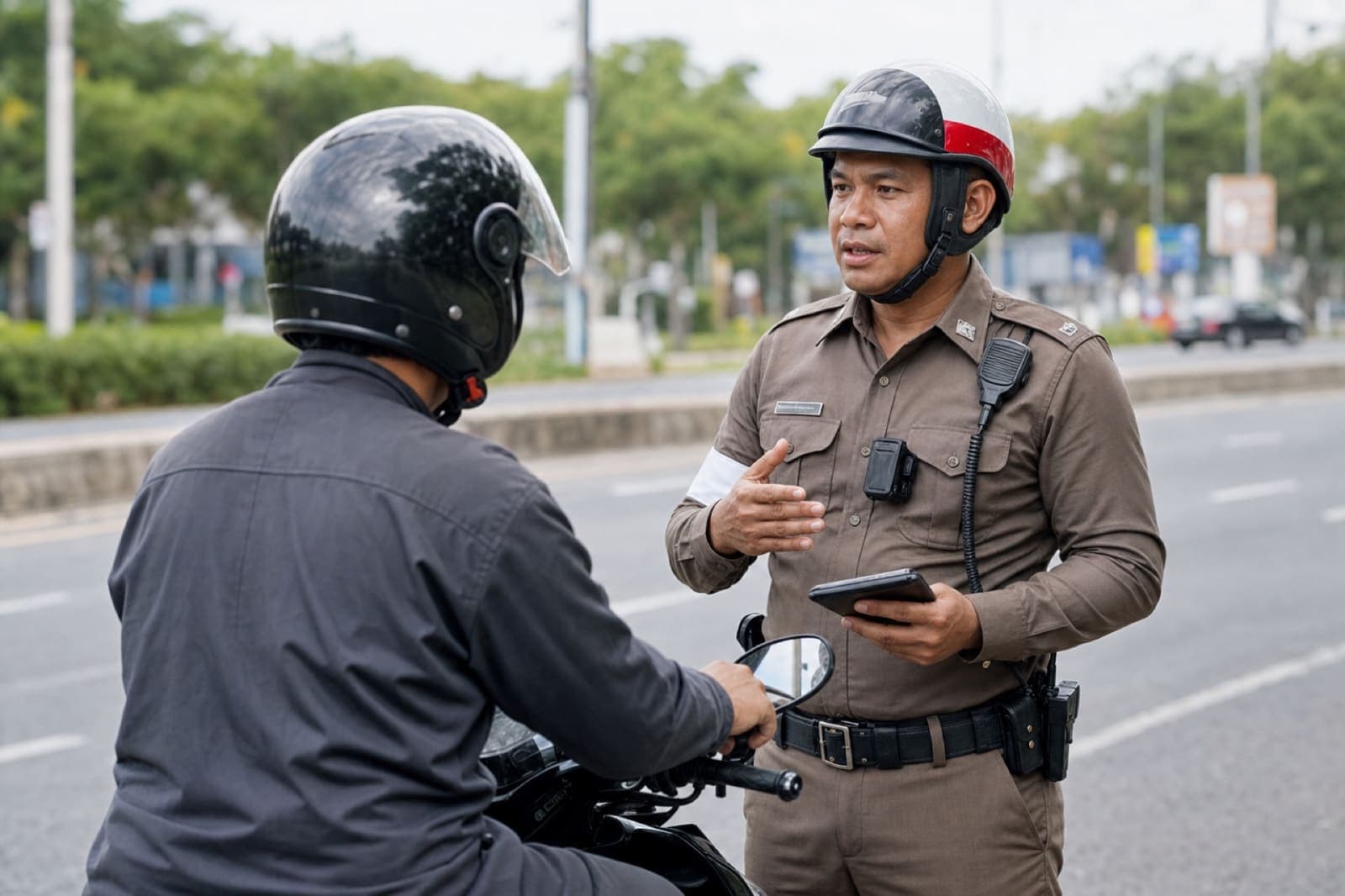
Traffic stops happen. Officers may check licences, helmets or paperwork. Stay polite, keep your rental documents handy and follow instructions. Serious offences — especially riding impaired — can lead to fines, impound or worse.
Routine checks are part of riding here — cooperate calmly and keep your documents accessible.
Yes. We recommend carrying both your valid home-country motorcycle licence and an International Driving Permit (IDP). This helps ensure you are riding legally under Thai regulations and may also affect your travel insurance coverage.
No. We never keep your original passport. We simply require a copy of your passport together with a refundable cash security deposit. We understand your passport is an important travel document and believe it should remain with you throughout your holiday.
The deposit depends on the motorcycle you choose:
125cc scooters – 2,000 THB
150cc & 160cc scooters – 3,000 THB
300cc maxi scooters – 5,000 THB
Motorcycles – 6,000 THB
Your deposit is refunded immediately when the motorcycle is returned in the same condition.
Yes. If you don't have Thai Baht, we can usually accept USD, EUR, or GBP based on the current exchange rate.
Yes. Every rental includes a standard helmet. We also offer premium full-face helmets, riding jackets, and gloves for customers who would like additional protection.
Yes. We offer hotel and villa delivery throughout the Ao Nang area, with delivery available to other locations around Krabi for a small additional charge where applicable.
No problem. If you feel the motorcycle is too large, too small, or simply isn't the right fit, you're welcome to visit our office and exchange it for another available model.
Absolutely. Every motorcycle follows a preventative maintenance schedule, including regular oil changes, brake inspections, tyre replacement, air filter servicing, and comprehensive mechanical checks before every rental.
Flat tyres are the most common issue and are usually very easy to fix. Contact us through WhatsApp or by phone, send us your location, and we'll direct you to the nearest repair shop. Repairs typically cost less than 200 THB.
If a serious mechanical problem occurs within our service area, we'll arrange assistance and, where practical, bring you a replacement motorcycle while taking the original back for repairs.
Yes. Our team is available 24 hours a day, 7 days a week. If you have any problems during your rental, simply contact us and we'll help you find the quickest solution.
Yes. Most scooters are designed for two adults. However, always ensure the combined weight is suitable for the motorcycle and wear helmets at all times.
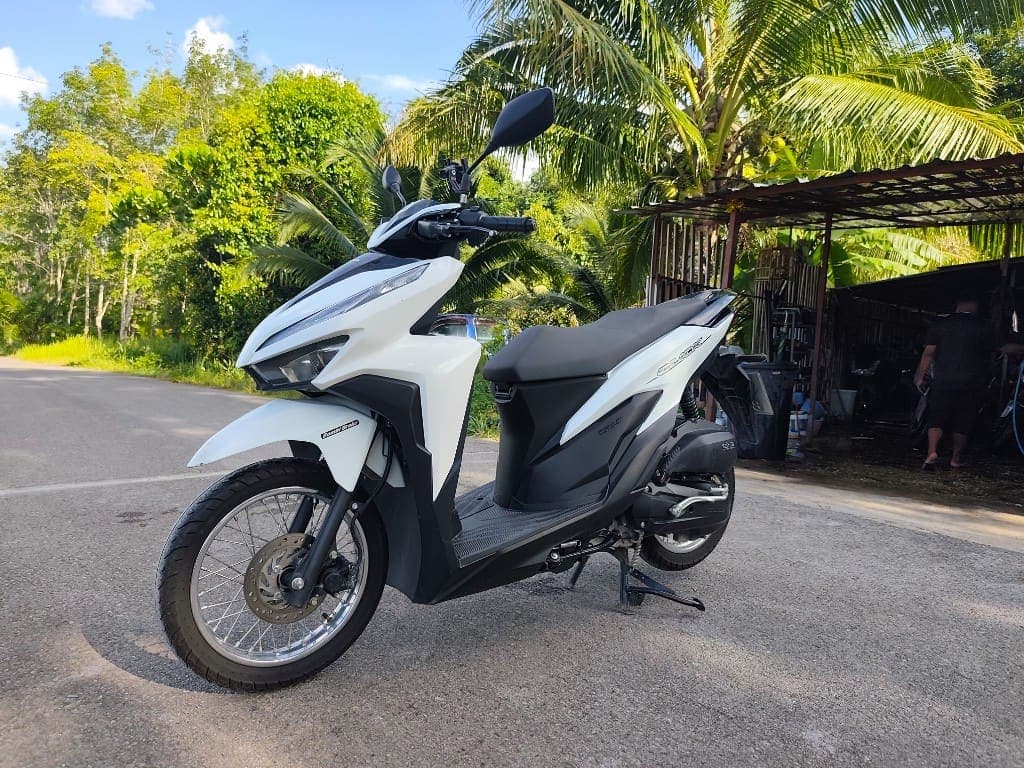
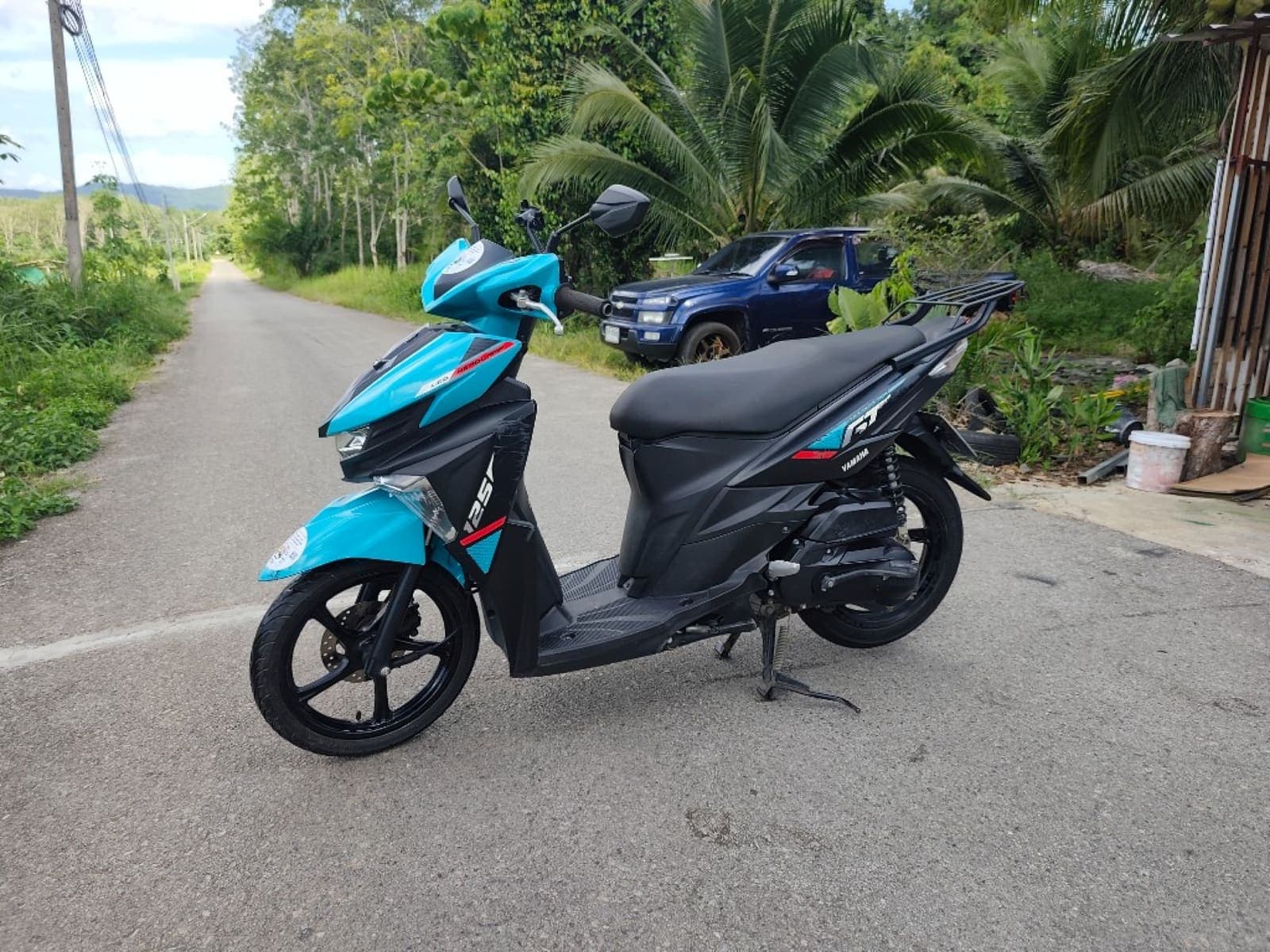
For first-time riders with previous scooter experience, lightweight automatic scooters such as the Honda Click 125 or Yamaha GT125 are generally the easiest to ride. We do not recommend learning to ride for the first time while on holiday.
For longer rides around Southern Thailand, many riders prefer models such as the Honda ADV350, Yamaha XMAX 300, Honda Transalp 750, Yamaha Tenere 700, or Kawasaki Versys series, depending on experience and comfort preferences.
No. You are free to explore as much of Krabi as you like during your rental period, provided you use the motorcycle responsibly and in accordance with the rental agreement.
Yes. You're welcome to travel outside Krabi. If you experience a problem while outside our primary service area, we'll still assist you by phone and help you locate the nearest mechanic if needed.
We accept cash and commonly used electronic payment methods. If you're unsure whether your preferred payment method is available, simply contact us before your booking.
Please let us know as soon as possible. We'll assess the damage fairly and explain any repair costs before making deductions from your security deposit if applicable.
Usually, yes. If the motorcycle hasn't already been reserved by another customer, we're happy to extend your booking. Contact us as early as possible to check availability.
We focus on providing clean, well-maintained motorcycles, transparent pricing, hotel delivery, roadside assistance, premium riding gear, fair security deposits, and responsive customer support before, during, and after your rental. Our goal is to make your experience in Krabi as smooth and enjoyable as possible. Customer reviews frequently highlight bike condition, hotel delivery, responsive WhatsApp communication, and straightforward service as key reasons for choosing established rental companies.