Krabi Weather Guide and Motorcycle Rental Tips for Year-Round Travel
Krabi’s dry and rainy seasons, monthly temperature and rainfall patterns, and how weather affects beach trips, island tours and motorcycle rental year-round.
By Krabi Moto Rentals12 min read read
Fact-check: reviewed
Krabi’s tropical climate delivers consistently warm temperatures year-round, with distinct wet and dry seasons shaped by the southwest and northeast monsoons. Understanding these patterns helps visitors plan beach days, island trips, and outdoor exploration.
Global warming is gradually influencing local weather, so traditional season boundaries can shift slightly—rainy periods may linger longer or dry spells may begin earlier in some years. These changes are part of broader planetary climate shifts rather than isolated local anomalies.
The dry season typically runs from December to March (sometimes extending into April for tourism planning), bringing clearer skies, lower humidity, and calmer Andaman Sea conditions ideal for swimming and boat tours. The rainy season, driven by the southwest monsoon, usually spans May to October, with the heaviest downpours often concentrated in September and October. November acts as a transitional month. Daytime highs stay high throughout the year, rarely dropping below 31°C, while nights remain mild.
Monthly climate at a glance
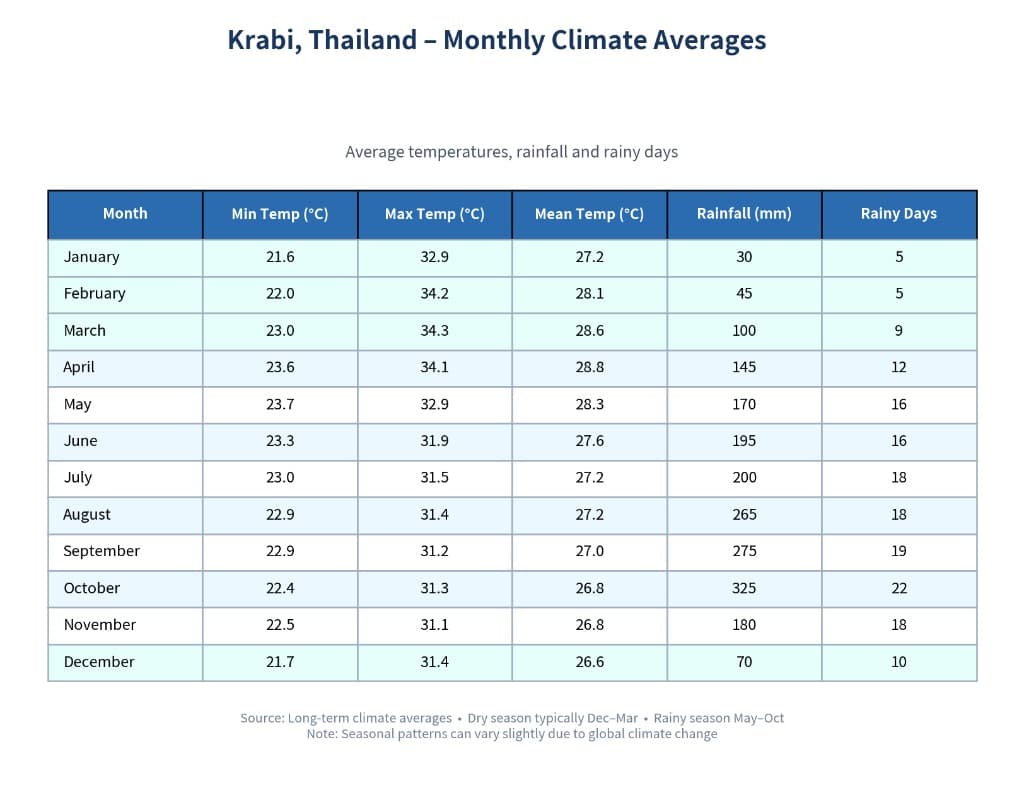
Here is a clear monthly overview based on long-term climate averages:
Krabi monthly climate averages — temperatures, rainfall and rainy days. Dry season typically December–March; rainy season May–October. Seasonal patterns can vary slightly with global climate change.
Dry season comfort and motorcycle rental advantages
From December through March, Krabi enjoys its most settled weather. Rainfall drops sharply, often to under 50 mm in January and February, with only a handful of rainy days. Skies stay clearer, sunshine hours increase, and humidity eases slightly, making the heat feel more manageable. Sea conditions are generally calm, supporting reliable longtail boat trips and better underwater visibility for snorkeling. Nights can feel comparatively cooler, sometimes dipping near 21–22°C. This window remains the most popular for beach holidays, though prices and crowds rise accordingly. Many travelers find that arranging a motorcycle rental during these months allows easy exploration of quieter coastal roads and viewpoints under reliable dry conditions.
April marks a hotter, more transitional phase. Temperatures peak, with mean values near 29°C and frequent afternoon showers beginning to appear as the monsoon approaches. The landscape stays green, yet humidity climbs and the chance of rain increases.
The rainy season and its character
The southwest monsoon arrives in May and intensifies through October. Rainfall climbs steadily, peaking in September and October with averages of 275–325 mm and 19–22 rainy days. Showers are often heavy but intermittent—bright mornings frequently give way to afternoon or evening downpours rather than continuous all-day rain. Humidity rises noticeably, and the sea can become rougher, occasionally disrupting smaller boat services. Despite the wetter pattern, temperatures remain warm (means around 27°C), and many visitors still enjoy quieter resorts, lower rates, and lush scenery. Short, intense storms can clear the air and leave dramatic skies. Because climate change is altering global weather systems, some years now see the rainy season stretch a little longer into November or start slightly earlier, producing more variable transitions than historical averages suggest.
November bridges the two seasons. Rainfall decreases from the October peak, yet residual moisture and occasional storms persist. By December the drier pattern usually reasserts itself.
Practical considerations across the year
Temperatures stay high enough for swimming and outdoor activity in every month. The Andaman Sea remains warm (typically 28–30°C). UV levels are strong year-round, so sun protection is essential. In the dry months, the combination of sunshine and lower rainfall supports longer beach days and inland exploration. During the wetter period, flexible itineraries work best—mornings for outdoor plans, afternoons for indoor or resort-based activities when showers arrive.
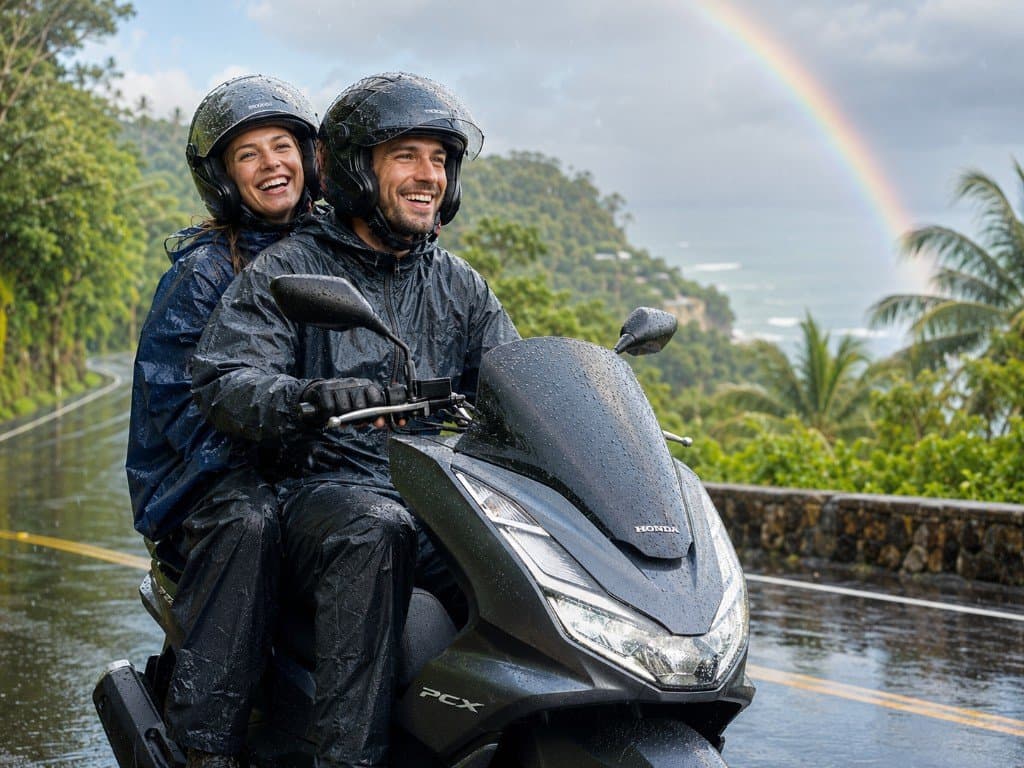
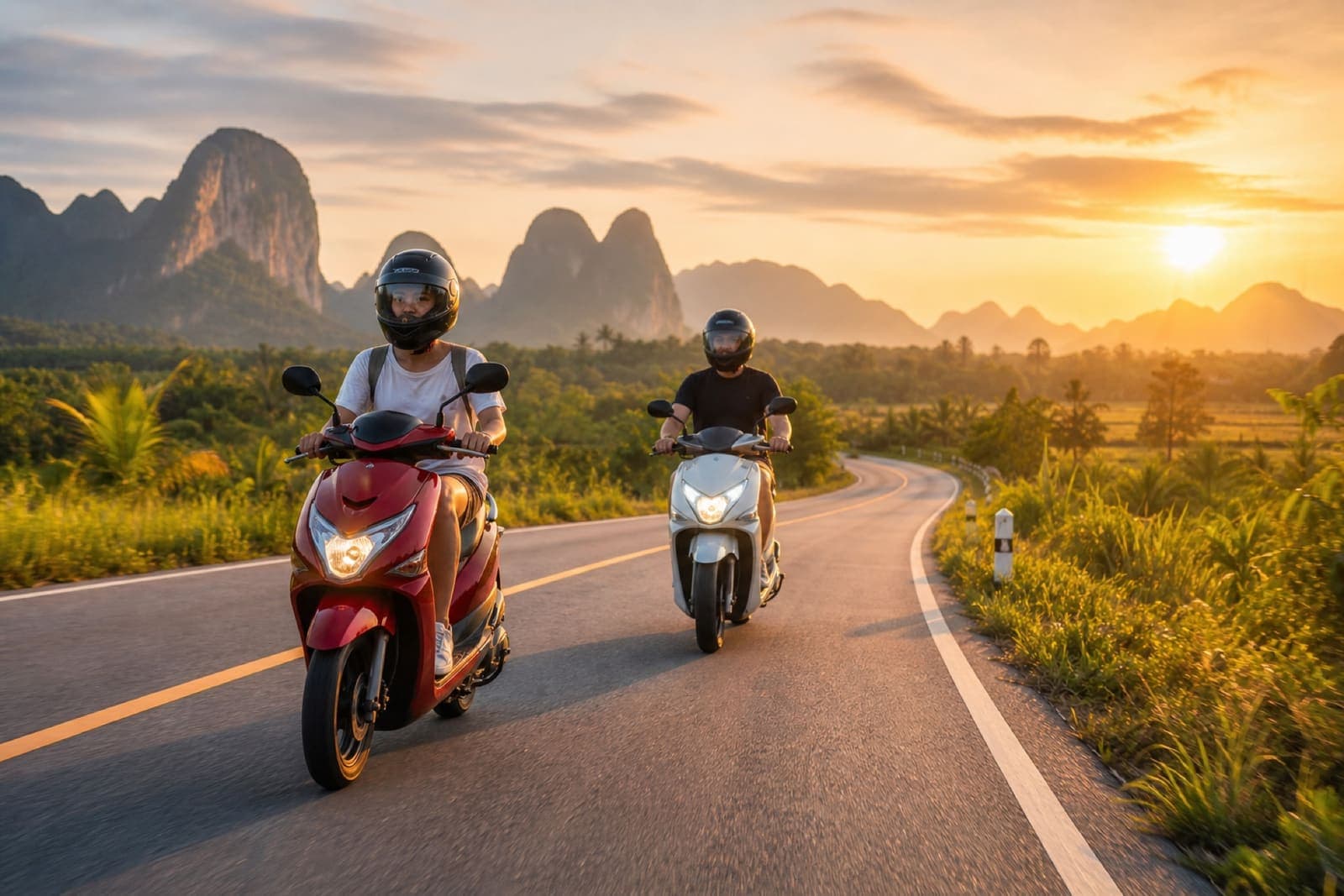
A motorcycle rental can enhance flexibility in both seasons. In the dry period it enables independent rides along coastal routes and to trailheads without waiting for transport. Even in the rainy months, shorter local trips remain feasible on better days, provided riders exercise caution on wet roads and check daily forecasts. Always prioritise safety, proper helmets, and awareness of changing conditions.
Climate change introduces a modest but noticeable layer of uncertainty. Shifts in monsoon timing and intensity mean that a traditionally dry month might occasionally bring more rain, or a wet month might deliver unexpected dry stretches. These variations reflect broader planetary warming trends affecting tropical monsoon systems. Visitors benefit from monitoring short-term forecasts closer to travel dates rather than relying solely on long-term averages.
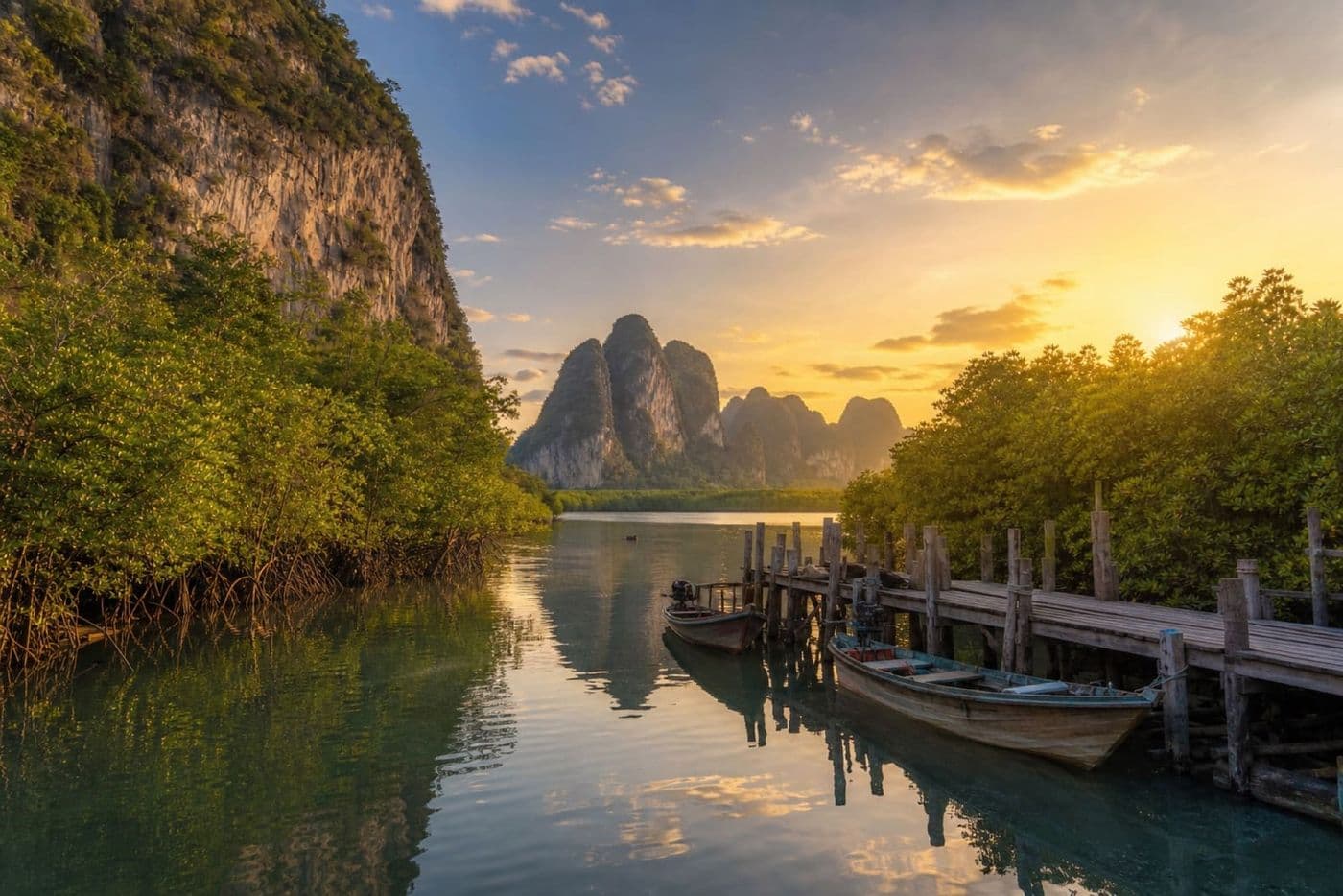
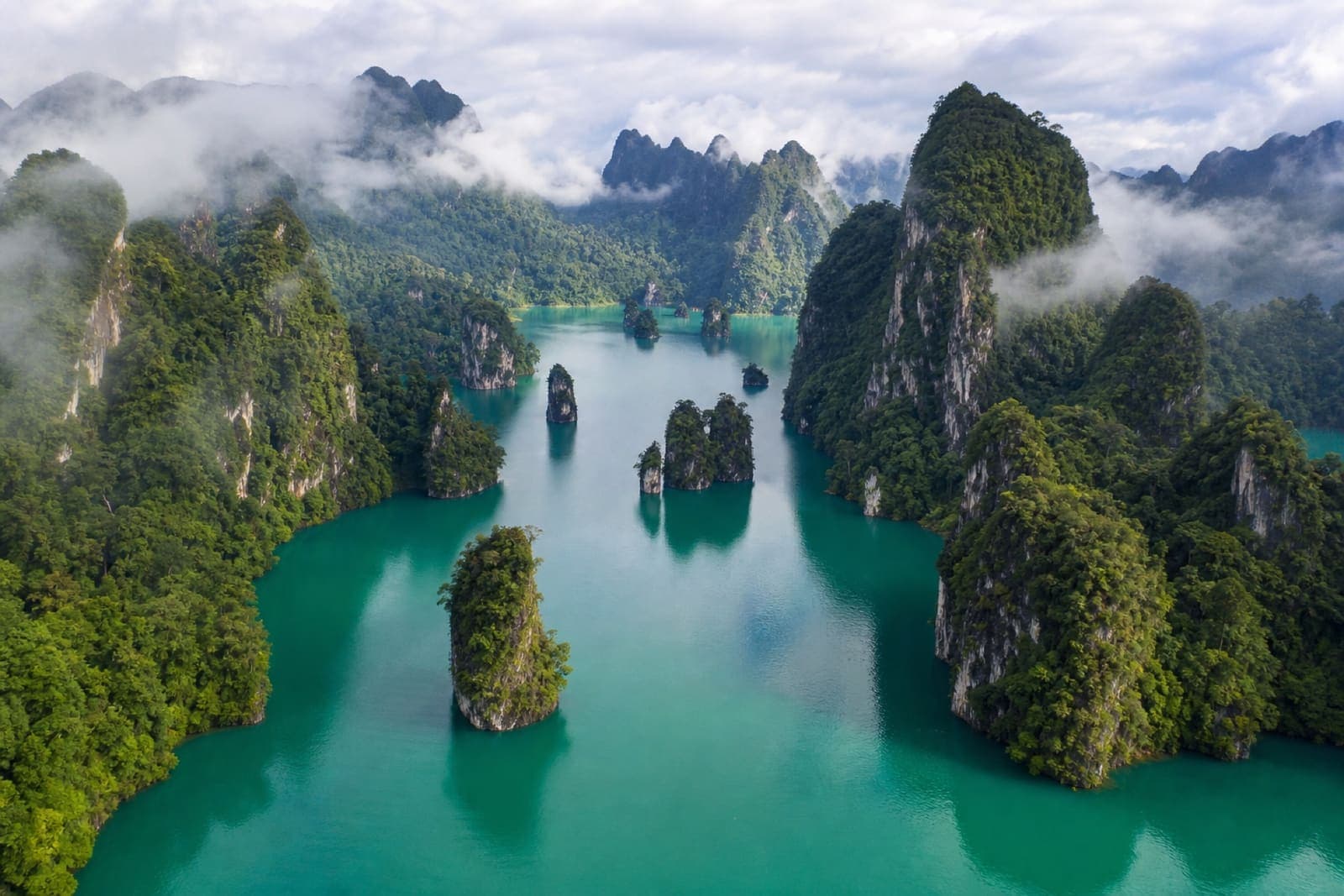
Overall, Krabi’s weather rewards those who match expectations to the season. The dry months deliver classic beach-holiday conditions with high reliability for water activities. The rainy season offers fewer crowds, vibrant greenery, and often significant savings, provided travelers accept the possibility of daily showers. Regardless of when you visit, the consistent warmth and dramatic limestone scenery remain constants. Planning around the monthly patterns above, while remaining open to small climate-driven variations, helps maximise enjoyment of Krabi’s coastline, islands, and surrounding landscapes. A well-timed motorcycle rental simply adds another practical tool for moving between beaches, viewpoints, and local spots at your own pace.
Yes. We recommend carrying both your valid home-country motorcycle licence and an International Driving Permit (IDP). This helps ensure you are riding legally under Thai regulations and may also affect your travel insurance coverage.
No. We never keep your original passport. We simply require a copy of your passport together with a refundable cash security deposit. We understand your passport is an important travel document and believe it should remain with you throughout your holiday.
The deposit depends on the motorcycle you choose:
125cc scooters – 2,000 THB
150cc & 160cc scooters – 3,000 THB
300cc maxi scooters – 5,000 THB
Motorcycles – 6,000 THB
Your deposit is refunded immediately when the motorcycle is returned in the same condition.
Yes. If you don't have Thai Baht, we can usually accept USD, EUR, or GBP based on the current exchange rate.
Yes. Every rental includes a standard helmet. We also offer premium full-face helmets, riding jackets, and gloves for customers who would like additional protection.
Yes. We offer hotel and villa delivery throughout the Ao Nang area, with delivery available to other locations around Krabi for a small additional charge where applicable.
No problem. If you feel the motorcycle is too large, too small, or simply isn't the right fit, you're welcome to visit our office and exchange it for another available model.
Absolutely. Every motorcycle follows a preventative maintenance schedule, including regular oil changes, brake inspections, tyre replacement, air filter servicing, and comprehensive mechanical checks before every rental.
Flat tyres are the most common issue and are usually very easy to fix. Contact us through WhatsApp or by phone, send us your location, and we'll direct you to the nearest repair shop. Repairs typically cost less than 200 THB.
If a serious mechanical problem occurs within our service area, we'll arrange assistance and, where practical, bring you a replacement motorcycle while taking the original back for repairs.
Yes. Our team is available 24 hours a day, 7 days a week. If you have any problems during your rental, simply contact us and we'll help you find the quickest solution.
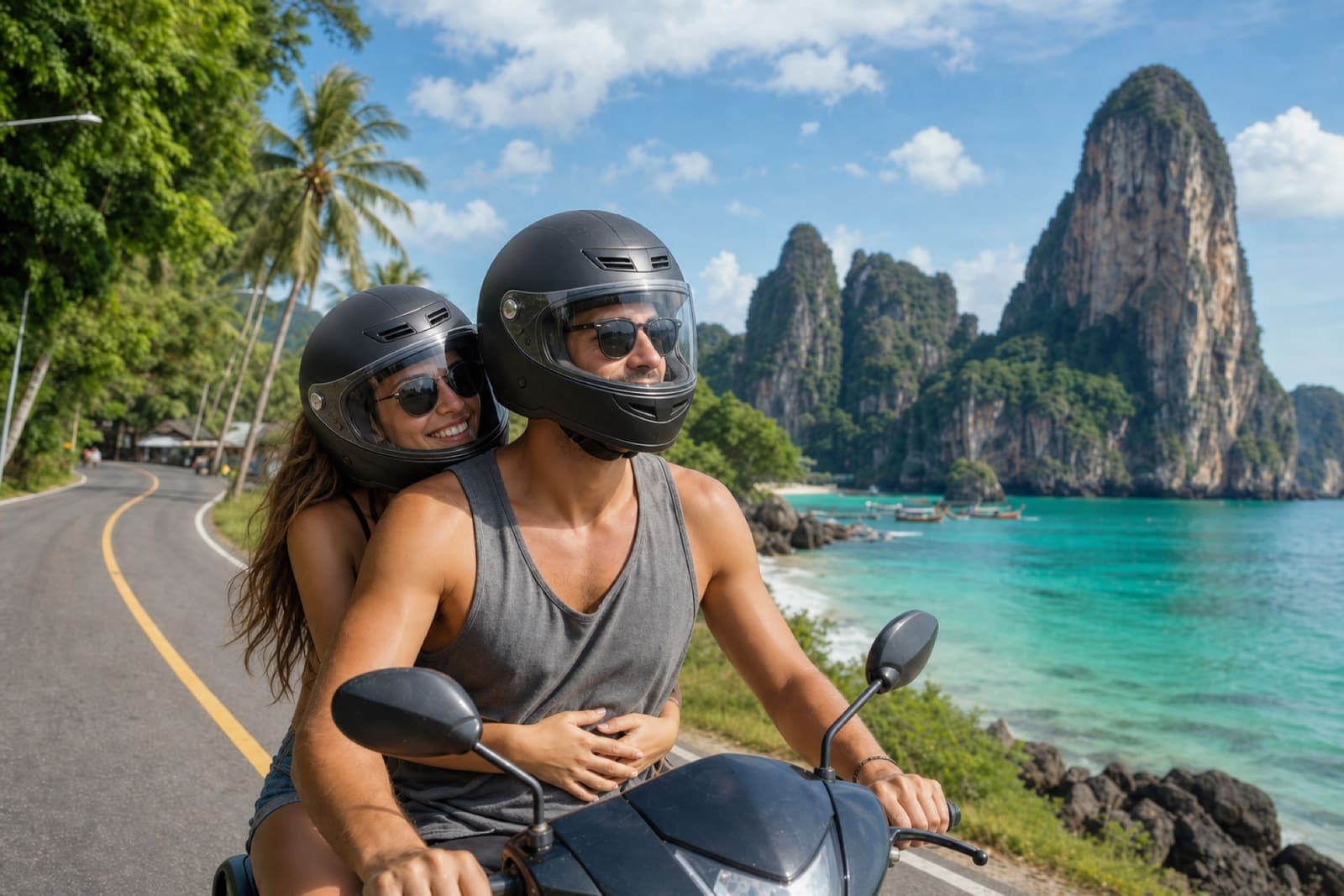
Yes. Most scooters are designed for two adults. However, always ensure the combined weight is suitable for the motorcycle and wear helmets at all times.
For first-time riders with previous scooter experience, lightweight automatic scooters such as the Honda Click 125 or Yamaha GT125 are generally the easiest to ride. We do not recommend learning to ride for the first time while on holiday.
For longer rides around Southern Thailand, many riders prefer models such as the Honda ADV350, Yamaha XMAX 300, Honda Transalp 750, Yamaha Tenere 700, or Kawasaki Versys series, depending on experience and comfort preferences.
No. You are free to explore as much of Krabi as you like during your rental period, provided you use the motorcycle responsibly and in accordance with the rental agreement.
Yes. You're welcome to travel outside Krabi. If you experience a problem while outside our primary service area, we'll still assist you by phone and help you locate the nearest mechanic if needed.
We accept cash and commonly used electronic payment methods. If you're unsure whether your preferred payment method is available, simply contact us before your booking.
Please let us know as soon as possible. We'll assess the damage fairly and explain any repair costs before making deductions from your security deposit if applicable.
Usually, yes. If the motorcycle hasn't already been reserved by another customer, we're happy to extend your booking. Contact us as early as possible to check availability.
We focus on providing clean, well-maintained motorcycles, transparent pricing, hotel delivery, roadside assistance, premium riding gear, fair security deposits, and responsive customer support before, during, and after your rental. Our goal is to make your experience in Krabi as smooth and enjoyable as possible. Customer reviews frequently highlight bike condition, hotel delivery, responsive WhatsApp communication, and straightforward service as key reasons for choosing established rental companies.